
Getting meals on the table night after night can feel like a struggle of monumental proportions. And if you’ve ever stood exhausted in your kitchen, poking your head between the fridge and pantry just praying for the inspiration and energy while members of your family pop in to either ask when dinner will be ready, or dramatically exclaim how hungry they are, you know exactly what I’m talking about.
And while you know meal planning would help you, you just can’t seem to actually do it. But that’s just because you haven’t figured out what actually works for you.
Because, like most everything, there isn’t one meal-planning solution. What works for your friend with the color-coded weekly menu on the fridge might make you want to scream. And that’s okay! The goal isn’t to find the perfect system — it’s to find a system that actually fits your family, your schedule, and your energy level.
It’s to figure out what you can actually build into your life right now.
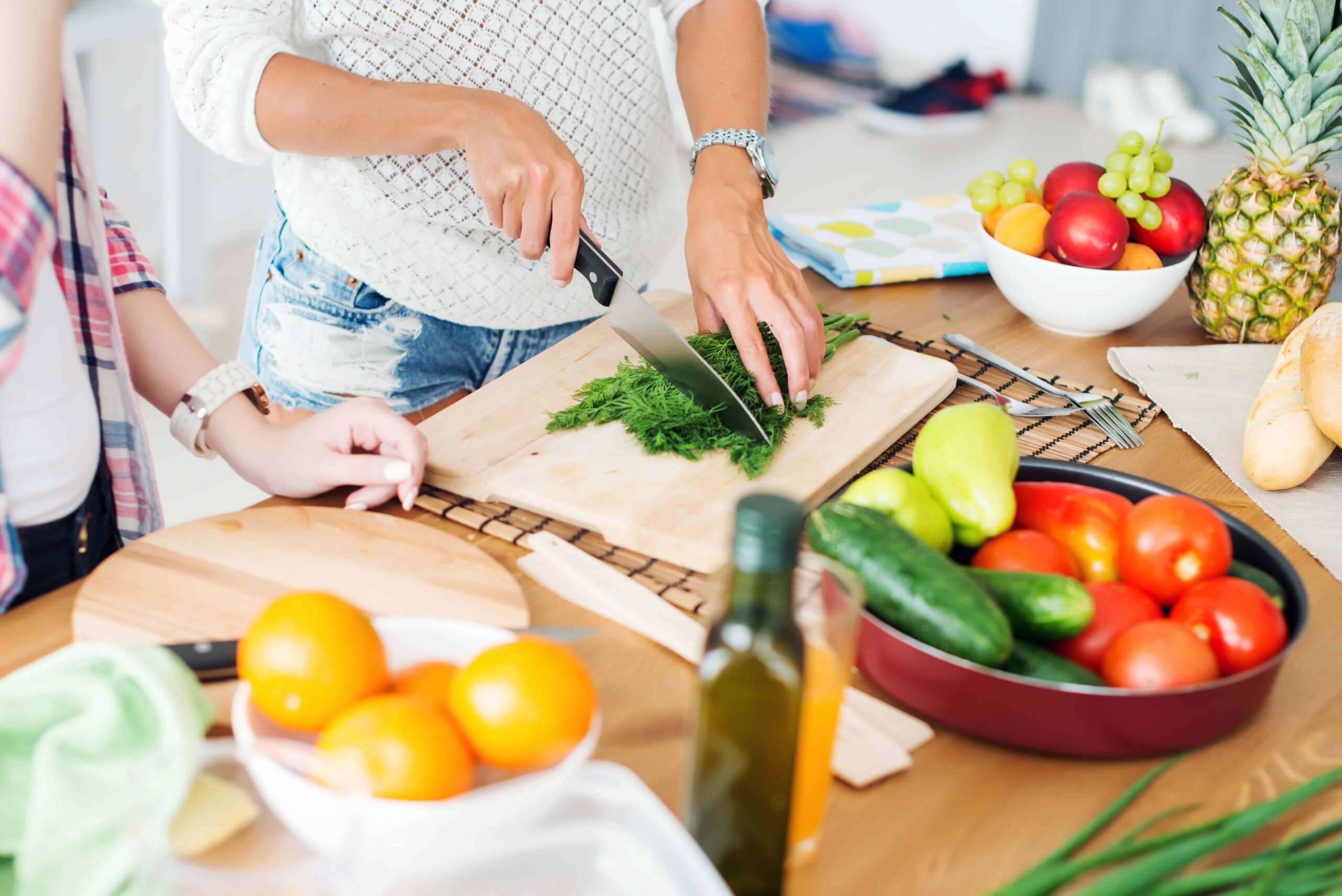
So instead of handing you one rigid method, here’s a big list of meal planning strategies and tips. Skim through, pick a few that sound doable, and try them out.
(If you want the full step-by-step on building a weekly meal plan from scratch, I break it all down in How to Meal Plan For Your Family, including a free printable weekly meal planner and grocery list.)
25+ Meal Planning Tips to Help You Finally Figure Out What’s for Dinner
Remember, you don’t need to do all of these. You just need to find the ones that make your life easier.
1. Assign a theme to each night
If you find yourself drawing a blank when it comes to meal planning (I feel like I forget 90% of the meals I’ve made when I meal plan), theme nights can be super helpful. This allows you to mix up the meals throughout the week without much thought. One less decision you have to make.
Meal Theme Ideas:
- Breakfast-for-dinner: pancakes, waffles, or omelets to end the week (already in your draft)
- Pizza: homemade, frozen, or takeout, all count
- Taco (Tuesdays): the classic for a reason; endlessly customizable so pickier eaters can build their own
- Slow Cooker: start it in the morning, forget about it, walk into a finished dinner
- Soup/Stew: especially nice once fall hits; a big pot means leftovers for lunch the next day, too.
- Sandwich or “Snack Plate”: low-effort, kid-assembled, no cooking required
- Leftover: clears out the fridge and gives you a built-in easy night
- “Whatever’s in the freezer”: pulls from your freezer stash (nice tie-in to your “double and freeze” tip earlier in the post)
2. Just plan the proteins for the week
Instead of figuring out everything you’ll make for the week, just decide the meal protein. You can then decide sides the day of. This gives you structure without locking in every detail in advance.
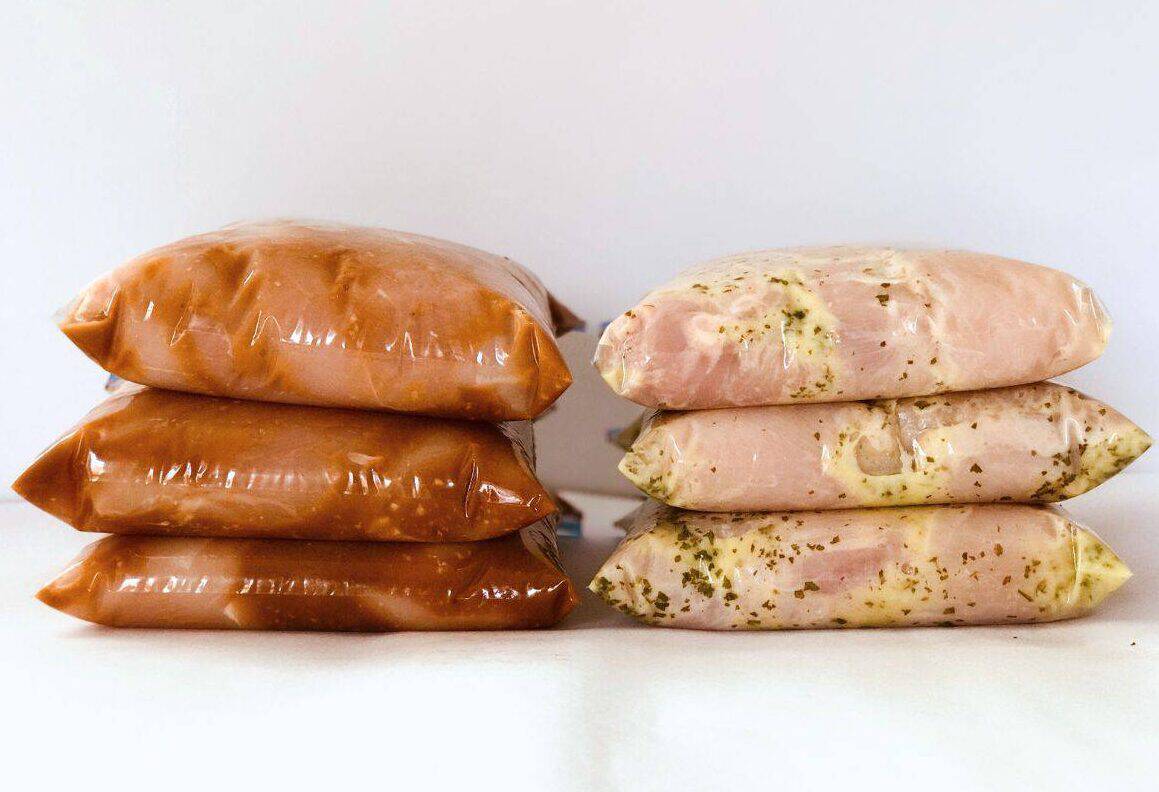
3. Buy Meat in Bulk, Divide into Freezer Bags, Marinade & Freeze
This is genuinely the easiest meal prep thing you can do to fill your freezer and pairs really well with the above tip. It literally takes minutes to make up protein for a bunch of meals.
Here’s what you can do:
- Buy meat in bulk (Chicken breasts and pork tenderloins are my go-tos)
- Buy or prepare marinades (can be as easy as bottle BBQ sauce or another store-bought marinade)
- Label Quart Bags with the type of meat and marinade (this is harder once you fill them!)
- Trim meat (if needed)
- Divide up meat into quart freezer bags
- Our marinade on top
- “Massage” bag in order to spread marinade around all the meat and zip up top getting out all the air
- Stick in the freezer
Then all you have to is pull it out to defrost and you’ll have perfectly marinaded meat you can bake, grill, slow cook, or cook up in a sauce pan.
4. Build a rotation of 10-14 go-to meals
And cycle through them. Once it’s built, you basically never have to “plan” again. Just pull from the list. And since you only get the repeat meal every 2 weeks, it’s harder to get sick of it.
5. Keep a running list of “emergency meals”
These are the super fast, 5-minute, no-real-recipe options for the nights when nothing else happened and you need food now. Here are some “emergency meal” ideas:
- Quesadillas — tortilla, cheese, whatever’s in the fridge, 3 minutes in a pan
- Grilled cheese + canned tomato soup
- Breakfast for dinner — scrambled eggs and toast, done in minutes
- Cereal bar — bowls out, milk out, everyone serves themselves (permission granted)
- Charcuterie/snack plate — crackers, cheese, deli meat, fruit, whatever’s on hand, arranged on a board
- PB&J or deli sandwiches
- Frozen pizza (from the freezer stash, or truly just a box in the freezer)
- Yogurt + granola + fruit bowls
- Pasta with jarred sauce and pre-shredded cheese
- Instant ramen or boxed mac and cheese, doctored up with whatever protein/veggie is around
- Canned soup or chili, heated and served with bread
- Frozen dumplings or potstickers, steamed or pan-fried
- Rice bowls — microwave rice pouch + a can of beans + whatever’s in the fridge on top
- Frozen meatballs (from your freezer stash) tossed with jarred sauce over pasta
- Hot dogs or sausages, boiled or microwaved
- Canned tuna or chicken salad on bread or crackers
6. Keep a running family-favorite Recipes list
Half the battle of meal planning is just remembering what you’re capable of making, right? Use a notes app, whiteboard, or a posted list—whatever works for you.
That way you’re choosing from options instead of inventing something from thin air. Grab my free Family Favorite Recipe Printables to get started.
7. Start a recipe binder (Or a Pinterest board)
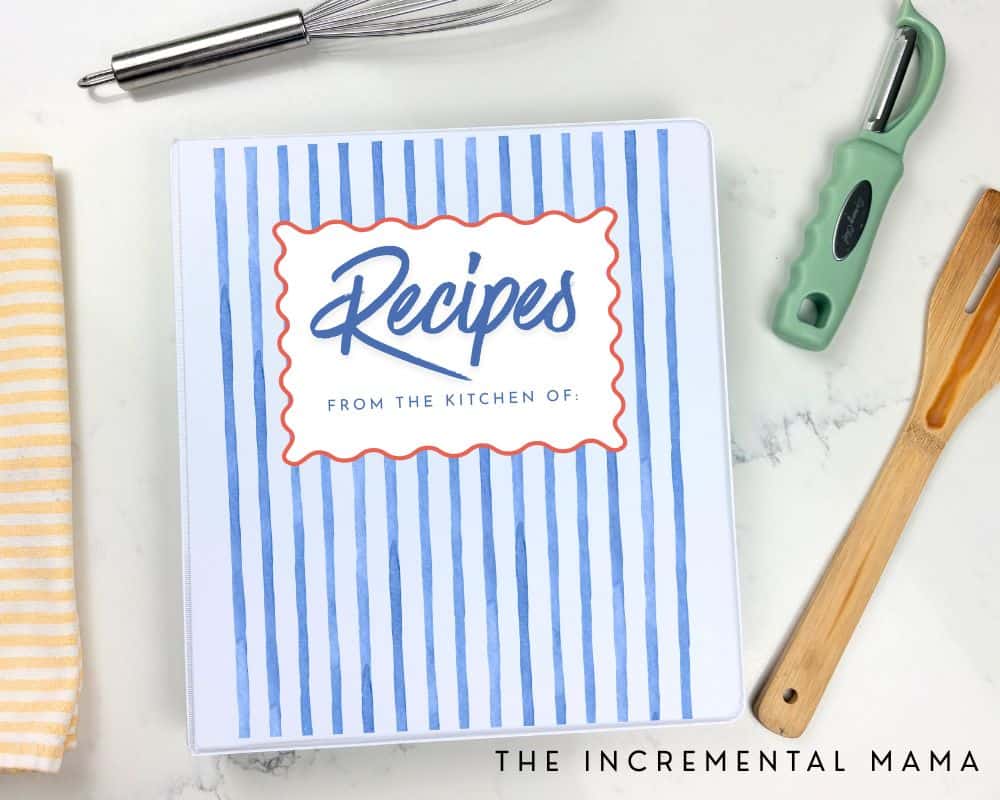
Create a go-to spot to store all the meals you’ve actually made and your family liked. Skip the aspirational recipes you’ll never make.
A recipe binder does double duty: it keeps everything in one place, and it turns meal planning into flipping through a few pages instead of staring into space trying to remember what you even know how to cook. I walk through exactly how to put one together (plus free binder cover printables) in this post on building a recipe binder.
8. Photograph the inside of your pantry and freezer before shopping
That way, you actually remember what you already have instead of re-buying (or forgetting to use) what’s already there. Takes seconds and can reduce food waste, save you money, and save space in your fridge or pantry.
9. Double a recipe and freeze half
Whenever you make something freezer-friendly, double the recipe so you can freeze half for another meal. It barely adds any extra time, and suddenly you’ve got a backup meal ready to go.
This is a great habit that helps you build meal-prepping into your life without much effort.
Some foods that freeze well:
- Casseroles (lasagna, baked ziti, enchiladas, shepherd’s pie)
- Soups and stews (chili, chicken noodle, vegetable soup, beef stew)
- Meatballs and meatloaf (cooked or raw — both freeze well)
- Cooked shredded chicken or pulled pork
- Pasta sauces (marinara, bolognese)
- Pancakes and waffles (freeze flat, then bag — pop straight in the toaster)
- Muffins
- Breakfast burrito
- Sandwiches (PB&J actually freezes surprisingly well)
Keep quart or gallon freezer bags and aluminum trays on hand for storing prepped foods in the freezer.
10. Pick one “prep day” to chop veggies
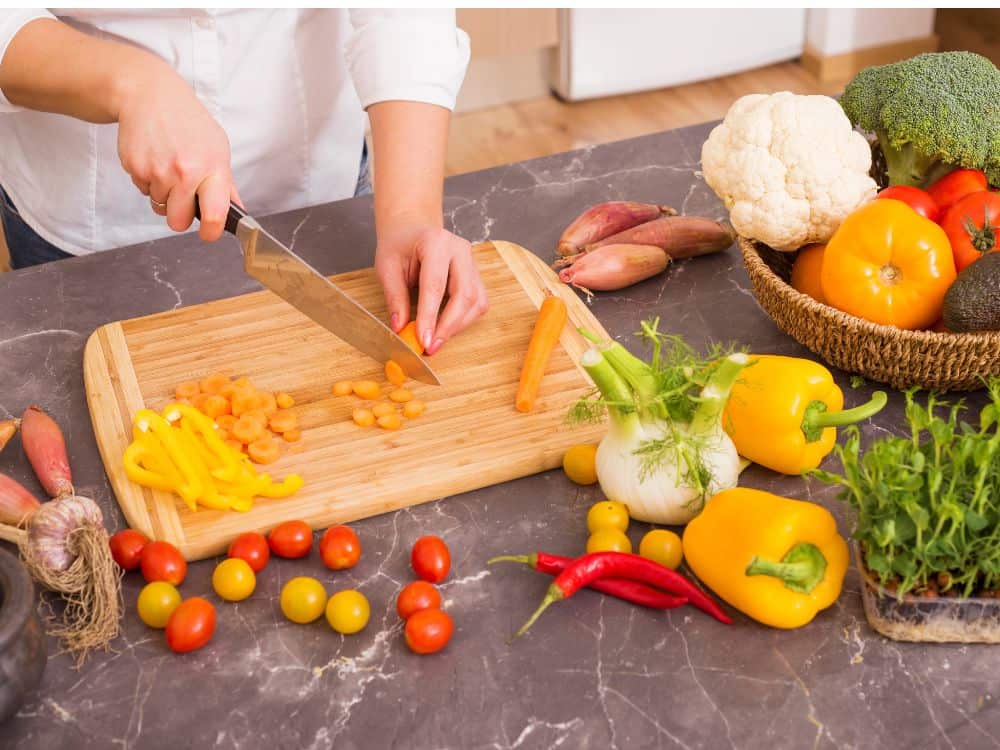
If chopping veggies is a massive hassle that’s keeping you from making certain recipes or eating healthier, this one might be the right tip for you. One chopping session, one clean up, and veggies chopped for multiple meals.
Set aside 20-30 minutes on one day to wash and chop everything you’ll need for the week’s meals in one go: onions, peppers, carrots, celery, whatever’s on your menu. Store it all in containers or bags in the fridge, ready to grab.
This works because chopping is often the most tedious part of cooking, not the actual cooking. When the vegetables are already prepped, dinner shrinks from a 30-minute production to just tossing things in a pan, which makes it a lot easier to actually follow through on your meal plan instead of defaulting to takeout because cooking feels like too much.
A few tips to make it worth the time:
- Prep by category, not by recipe: chop a big batch of onions, a big batch of peppers, etc., so they can be mixed and matched across different meals, not locked into one dish
- Store in clear containers so you can see what’s ready to go at a glance
- Chop extra: anything you don’t use in meals makes an easy snack (carrot sticks, cucumber slices) or salad topper
11. Pre-cook a big batch of a base ingredients & use in multiple recipes
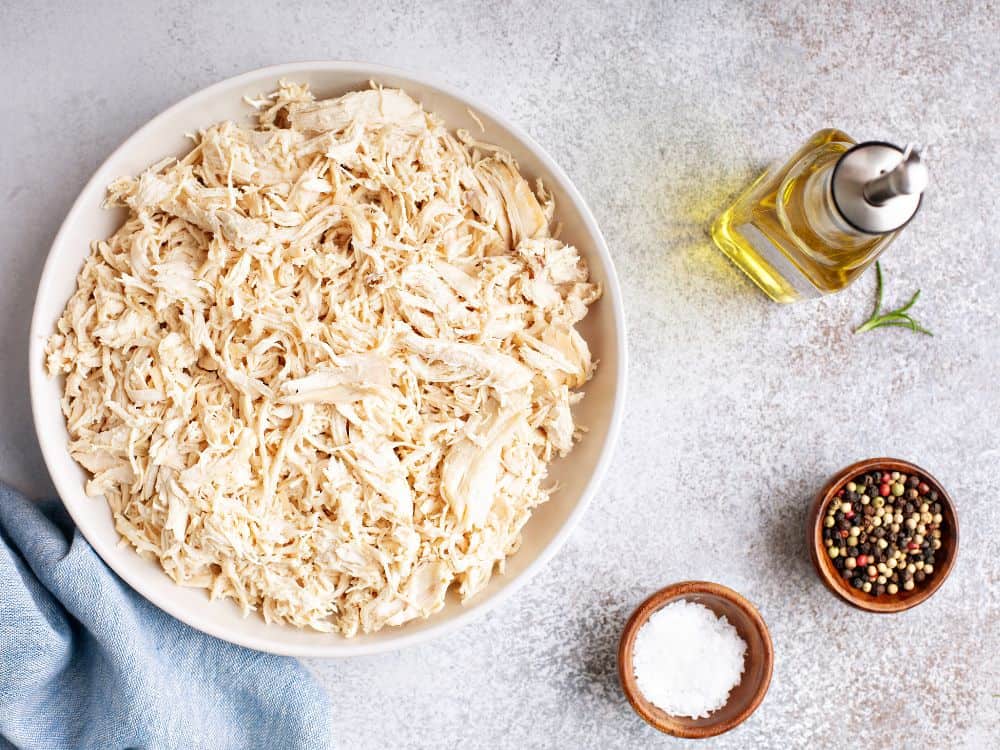
Instead of cooking from scratch for every single meal, pick one base ingredient—rice, shredded chicken, ground beef, or roasted veggies—and cook a big batch of it once. Then spend the week turning that one batch into two or three completely different meals.
For example, a batch of shredded chicken can become chicken tacos on Monday, a quick chicken and rice soup on Wednesday, and BBQ chicken sandwiches on Friday. Three different dinners, one round of actual cooking.
This works because the hardest part of a meal is usually the base. The protein that needs to be cooked through, or the grain that takes 20+ minutes unattended.
Once that’s already done and sitting in the fridge, “making dinner” turns into assembly, not cooking. It’s a similar idea to the “double and freeze” tip, except instead of freezing a full finished meal, you’re freezing (or fridging) a flexible building block you can repurpose in different directions all week.
A few base ingredients worth batch-cooking, with mix-and-match ideas:
- Shredded chicken → tacos, chicken salad, soup, quesadillas, BBQ sandwiches
- Ground beef → tacos, spaghetti, sloppy joes, stuffed peppers, burrito bowls
- Rice → burrito bowls, fried rice, a side for stir-fry, stuffed inside peppers
- Roasted vegetables → grain bowls, tossed into pasta, folded into omelets, blended into soup
- Beans (a big pot from dried, or a few cans prepped) → burrito bowls, taco filling, soup base, quick side
Pick one day (Sunday works well for a lot of people) to knock out your base ingredient for the week, and let the rest of the week just be assembly.
12. Match meal to your week’s schedule
Before you plan meals, glance at what the week actually looks like—practices, late meetings, early mornings—and match meal effort to it.
Save the more involved recipes (the ones with multiple steps or longer cook times) for the nights you actually have breathing room, and default to quick or no-cook meals on the nights you know are packed.
13. Set a recurring “no-cook night”
Build a standing night into your plan where the rule is simply: nothing gets cooked. Having it built into the plan (rather than happening as a last-minute scramble when you’re out of steam) means it feels like a deliberate break instead of a failure to meal plan.
Some no-cook ideas:
- Sandwiches or wraps: deli meat, PB&J, hummus and veggies
- Charcuterie/snack plate: crackers, cheese, deli meat, fruit, veggies, arranged on a board
- Salad with pre-cooked protein: rotisserie chicken, canned tuna, or chickpeas on top of greens
- Yogurt bowls: yogurt, granola, fruit, a drizzle of honey
- Cold pasta salad: made ahead, just pull from the fridge
- Cereal bar: bowls out, milk out, everyone serves themselves
- Deli sandwiches or subs: pick up pre-sliced meat and cheese, assemble at home
- Hummus/veggie plate with pita
- Overnight oats (made the night before, ready to eat cold or at room temp)
- Fruit and cheese board with crackers
14. Use a slow cooker or Instant Pot on your busiest day
Load it up in the morning, or even the night before, and let it do the work while your day happens around it. This is especially useful on the day you know will be the most chaotic — dinner is already done by the time you walk in the door, no afternoon effort required.
Looking for some great slow cooker recipes? These are 9 Great family-friendly Slow Cooker Recipes.
15. Keep a “meals we’ve made” photo album on your phone
Any time a dinner turns out well, snap a quick photo. Over time, this builds a visual list you can scroll through for inspiration instead of relying on memory (which, let’s be honest, tends to go blank the second someone asks “what’s for dinner?”). It’s an easy, no-extra-effort way to build your own recipe reference.
16. Plan backwards from your calendar
Instead of planning meals first and then looking at your schedule, flip the order: look at the week’s activities first, then slot meals in based on how much time and energy each day actually has. Busy days get the easy meals; open days get whatever takes more effort. This keeps your meal plan realistic instead of aspirational.
17. Assign one night a week where an older kid or your partner is fully in charge, start to finish
Pick one night and hand it off completely to your partner or an older kid. That means planning, prepping, and cooking. If that feels like too big a lift for one person, assign it to two people to do together instead.
Either way, you get a built-in night off, and the people helping start building real ownership and skill instead of just following instructions.
18. Plan meals around what’s already in your fridge and pantry
Before you build your meal plan for the week, do a quick inventory of what’s already in the fridge, freezer, and pantry — then plan meals around that first. Only add to your grocery list what’s actually missing.
This flips the usual order (decide meals → buy everything) and saves money by using up what you already have instead of letting it go bad while you buy more.
19. Build your meals around what’s discounted that week
Instead of deciding meals and then shopping for them at full price, check the weekly sales flyer (or app) first and let the discounts shape your menu.
If chicken thighs or ground beef are on sale, that becomes your protein for a few meals that week. This one takes a little more flexibility upfront, but it can meaningfully cut your grocery bill over time, especially if you rotate proteins based on what’s cheap that week.
20. Keep a running list Anyone Can Add to as things run low
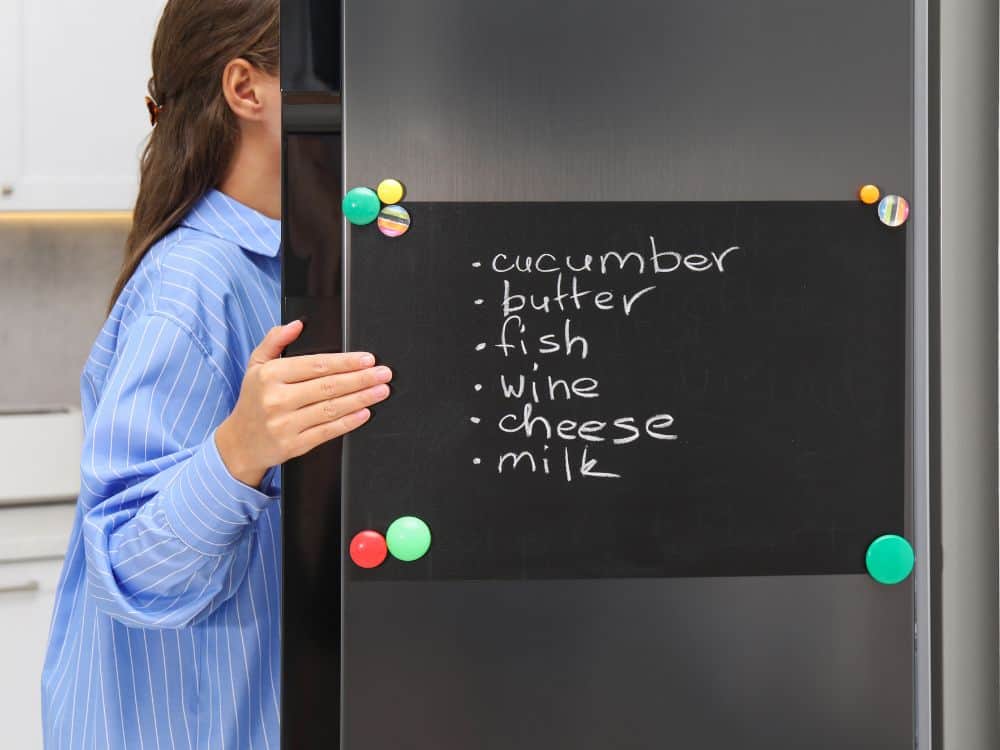
A notepad, whiteboard, or shared notes app stuck somewhere visible, where anyone in the house can jot down “we’re almost out of milk” the moment they notice. This takes the mental tracking off just one person and means you’re never standing in the kitchen realizing you’re out of a key ingredient mid-recipe.
Whether a wall or fridge, these are all great tools to store your running shopping list:
- Magnetic whiteboard lists
- Small White Board (adheres with included 3M double sided adhesive tape)
- Peel-and-stick Chalkboard Paper roll (cut it to the size you want and plenty to use for other wall lists)
- Pack of blank magnetic white boards
21. Make breakfast-for-dinner an official, no-shame meal option
Breakfast food isn’t just for mornings. Give yourself official permission to serve it any time you’re short on time or energy. Pancakes, scrambled eggs, cereal, waffles: all of it counts as a real dinner.
It’s fast, kids almost always eat it without a fight, and it takes “what am I going to make?” off the table entirely. Best of all, breakfast foods are often easy to prepare which makes it the perfect meal to your family helping out in preparing meals.
22. Have a standing “clean out the fridge” night once a week
Before the weekend grocery haul (or whenever your fridge tends to get fullest), plan a night to serve whatever odds and ends are left over. Whether it’s last night’s leftovers, that half container of rice, or the extra veggies from earlier in the week.
This is a win-win. One, it’s a night you don’t have to think about what to make. And two, it saves money because you’re eating what you already have instead of buying more food and letting the old stuff get moldy and gross.
23. Let each family member pick one dinner a week
Give everyone in the house — including the kids — one night where they get to choose what’s for dinner. It takes some of the mental load off you as the only decision-maker, and kids (even picky ones) tend to be more willing to actually eat a meal they had a hand in choosing.
Pick One Meal Planning Tip and Start There
You don’t need a complete meal-planning overhaul to make dinnertime easier. Read back through this list, pick the one or two ideas that sound the most doable for your family right now, and just start there. You can always add more systems later. But even one small change can take a surprising amount of pressure off the never-ending question of “what’s for dinner?”
Looking for more free tools to help you get started? Check out my full collection of printable meal planners and grocery list templates for even more options to find what works for you.
More Resource You May Like:

Leave a Reply